Integrated numerical modeling of a Huff-n-Puff pilot in Eagle Ford

Paper: URTeC 3870693, Unconventional Resources Technology Conference (2023)
Title: Integrated Numerical Modeling of a Huff-n-Puff Pilot in Eagle Ford
Authors: Caner Karacaer, Elif Agartan, Chet Ozgen (NITEC LLC); Pavan Vajjha, Philip Chapman, Damon Bennett, Eric Hart, Cameron Thompson, Matthew Herrin, Sarah White (Devon Energy)
What the paper covers
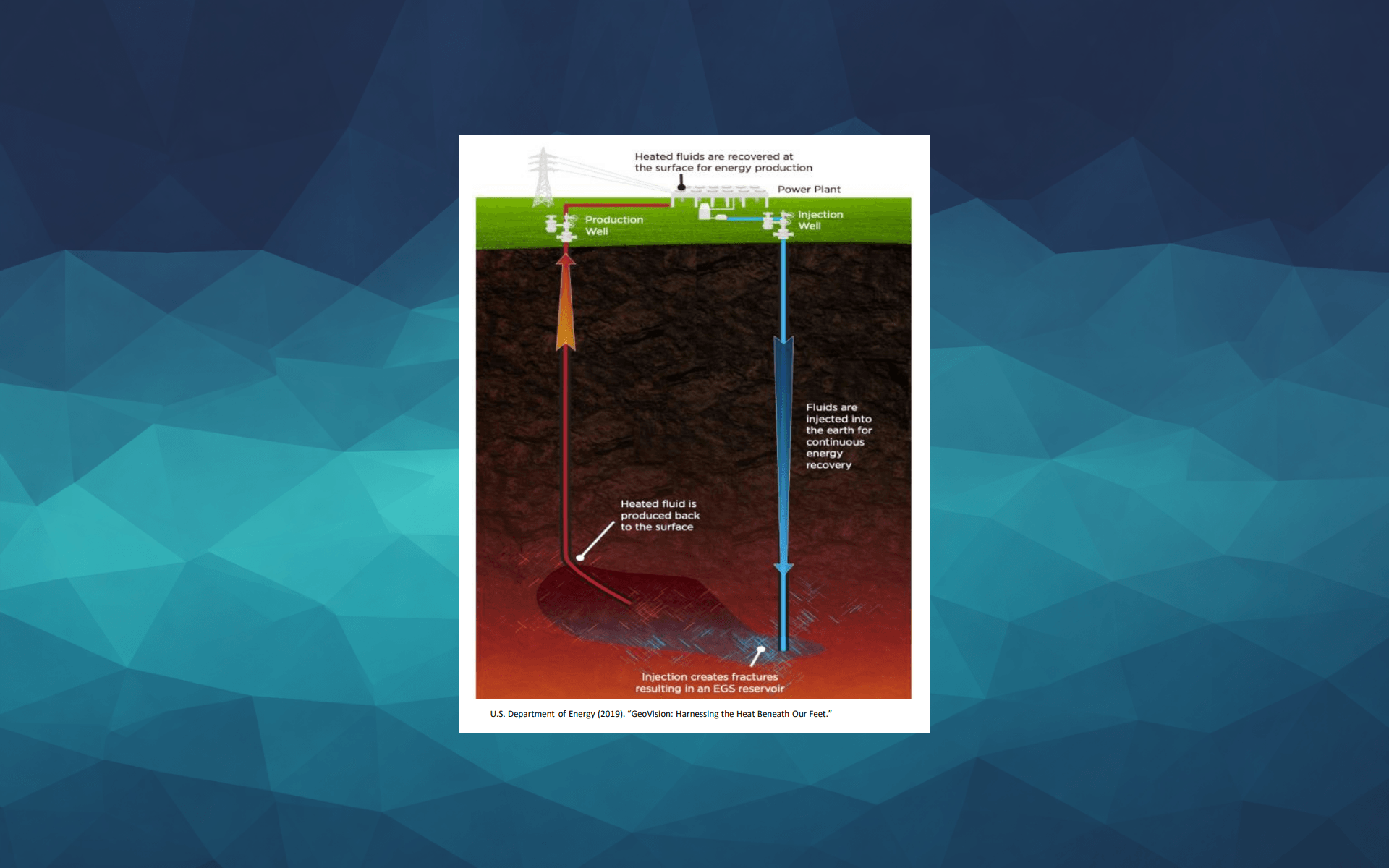
Horizontal wells in unconventional reservoirs decline steeply, which leaves recovery factors low. Gas huff-n-puff (HnP) is the enhanced oil recovery method a few operators have piloted in the Eagle Ford and Bakken to improve recovery per lease unit.
The study had two aims: to improve reservoir characterisation by history matching a fully integrated, high-resolution reservoir model, and to analyse and design the HnP strategies that give the best EOR performance.
The model
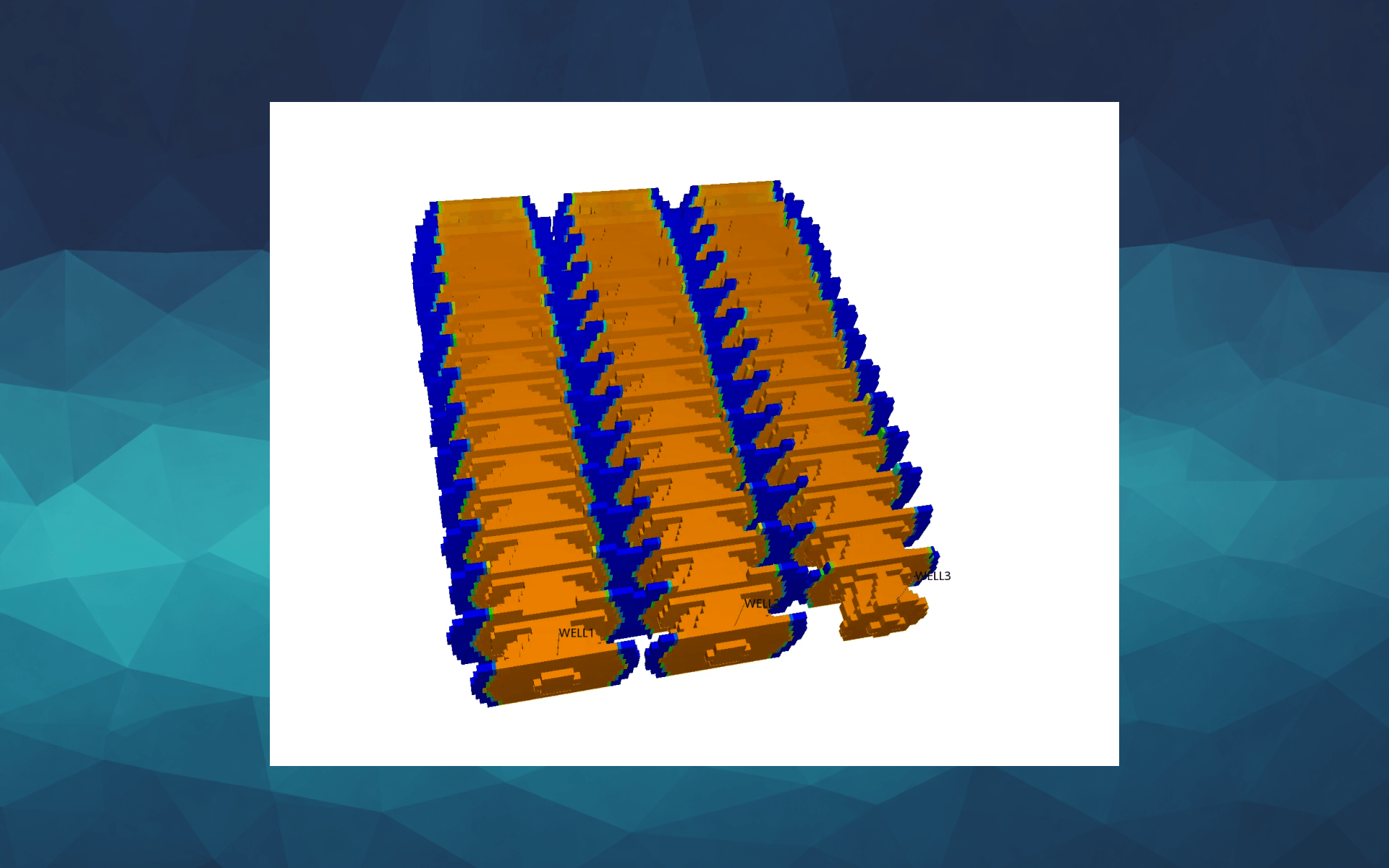
The authors built a high-resolution, multi-phase 3D model of the entire lease unit, combining geology, geophysics, petrophysics, geomechanics and engineering data. It contains 13 horizontal wells drilled and produced from 2011 to 2022, two of them refractured in 2022. Daily oil, gas and water rates and bottomhole pressures were matched for every well across hydraulic fracturing, flowback and depletion.
A science well from the Department of Energy's Hydraulic Fracturing Test Site (HFTS-1, Phase 3), with several bottomhole gauges along the lateral, improved calibration accuracy. No regional modifiers or well-specific alterations were used: changing connectivity was modelled through hysteretic (elasto-plastic) rock mechanics and proppant placement.
Key findings
- Well placement, completions, prior depletion and well-to-well interference all affect predicted HnP performance.
- Several calibration scenarios accounted for geophysical uncertainty and assessed risks in injected gas conformance and control.
- The paper introduces the "3C's of HnP": Connectivity, Contact and Containment. Considering these in HnP design may significantly increase the chance of a successful EOR project.
To the authors' knowledge, this is the first use of a full-lease-unit, high-resolution integrated 3D unconventional model containing all parent, infill and refractured wells to understand prior depletion and interference before EOR starts.
Read the full paper
The paper is available on OnePetro: read URTeC 3870693 on OnePetro. Full-text access may need a membership or a purchase. Stable link: doi.org/10.15530/urtec-2023-3870693.